Dr. Lakhan Kashyap is a DM Medical Oncologist in Baner, Pune, with core expertise in treating solid organ cancers using chemotherapy, immunotherapy, and targeted therapy. He completed his MD in Radiation Oncology from AIIMS, New Delhi, and DM in Medical Oncology from Tata Memorial Hospital, Mumbai—India’s leading cancer centers.
Dr. Kashyap has managed thousands of cancer patients, including breast, ovarian, gastrointestinal, lung, testicular, sarcoma, and genitourinary cancers. He is known for his precision-driven, evidence-based approach and compassionate care. His academic excellence is highlighted by the prestigious President NBEMS Gold Medal in Medical Oncology and over 20 scientific publications in national and international journals.
With experience as an Assistant Professor, he has contributed to multidisciplinary tumor boards and complex case discussions. Dr. Lakhan is a member of global oncology societies like ASCO and ESMO, ensuring his patients benefit from the latest international advances in cancer therapy.
He believes in shared decision-making, encouraging patients and families to actively participate in care planning. Fluent in English and Hindi, Dr. Kashyap is recognized for his empathetic communication and personalized treatment strategies, making him one of the most trusted names in oncology in Pune.

- Call Us: 9868963674
- Email Us: lakhan.aiims@gmail.com
Compassion, Care and Cure- Conquer Cancer
Personalized cancer care combining science and empathy

Expert Cancer Care with a Personal Touch
Evidence-based oncology care tailored to your needs

Trusted Medical Oncologist in Baner, Pune
Delivering advanced therapies with compassionate care

Hope, Healing & High-Quality Cancer Treatment
Comprehensive care for every stage and type of cancer

Leading the Fight Against Cancer with Expertise
Precision medicine for better outcomes and quality of life


.png)
.png)
.png)
.png)
Dr. Kashyap's Oncology Clinic
About Us
Comprehensive Cancer Care at Dr. Kashyap’s Oncology Clinic, Baner, Pune
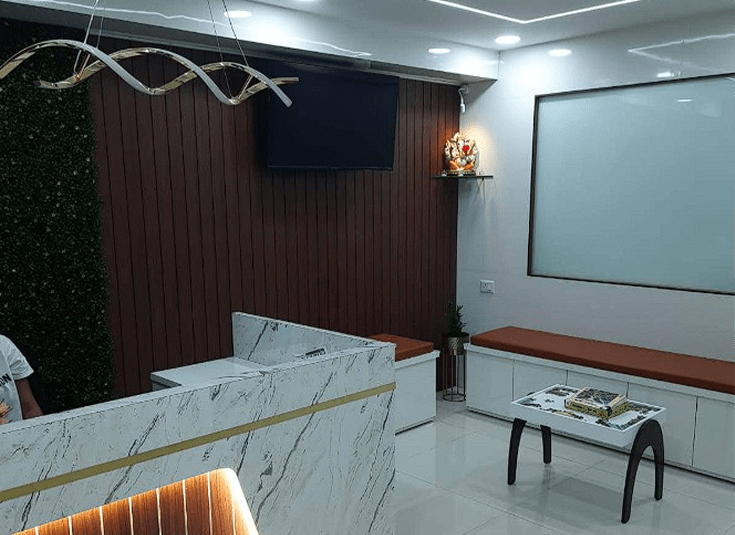
Dr. Kashyap's Oncology Clinic in Baner, Pune is a dedicated center for comprehensive cancer care, offering a full spectrum of Outpatient Department (OPD) services for patients across all stages of their cancer journey. The clinic is led by Dr. Lakhan Kashyap, a highly qualified and experienced Medical Oncologist, known for his patient-centered approach and evidence-based care.
The clinic provides expert evaluation and re-evaluation for suspected or confirmed cancer cases, ensuring timely diagnosis, staging, and treatment planning. With an integrated model of care, patients have access to both Medical Oncology and Surgical Oncology services under one roof. Whether you require chemotherapy, immunotherapy, or a surgical consultation, the clinic ensures streamlined and coordinated care.
New patients, second opinions, and follow-ups are handled with utmost attention and compassion. Dr. Kashyap and his team focus on personalized treatment plans that align with each patient’s condition, preferences, and goals. The clinic is equipped to manage a wide range of cancers including breast, lung, gastrointestinal, ovarian, and more.
With a strong emphasis on early detection and multidisciplinary collaboration, Dr. Kashyap’s Oncology Clinic is committed to delivering high-quality, accessible, and ethical cancer care to the community.
9+
Years of Experience
100+
Types of Cancers Treated
25K+
Happy Patients
Our Specialization

Lung Cancer

Breast Cancer

Ovarian Cancer

Blood Cancer

Kidney Cancer

Prostate Cancer

Colon Cancer

Stomach Cancer

Liver Cancer Management

Gallbladder Cancer

Bladder Cancer

Sarcoma and Bone Cancer
Lymphoma Cancer

Gastrointestinal (GI) Cancer

Thyroid Cancer
Thorax and Lung Cancer

Head and Neck Cancer

Gynaecological Malignancies

Pancreatic Cancer

Esophagus Cancer

Women Cancers
Our Healthcare Services
Comprehensive cancer solutions tailored to your needs
.png)
Dr. Lakhan Kashyap
Oncologist
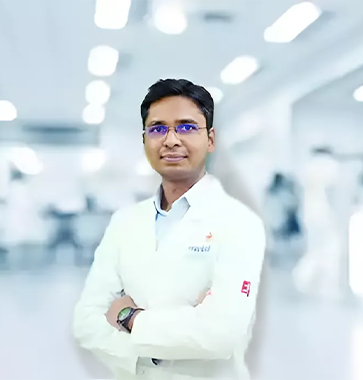
- MBBS (AIIMS, New Delhi) | MD (AIIMS, New Delhi) | DM (TMH, Mumbai) | DrNB (NBE, New Delhi) | ESMO Certification in Medical Oncology | IAPC Certification in Essentials of Palliative Care
- 9.0 Years Of Experience
- Licence No. MMC 2020085226
- Call
- Video Call
- In person
Videos
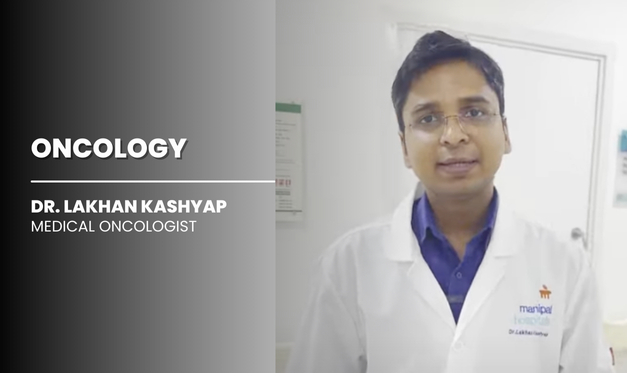
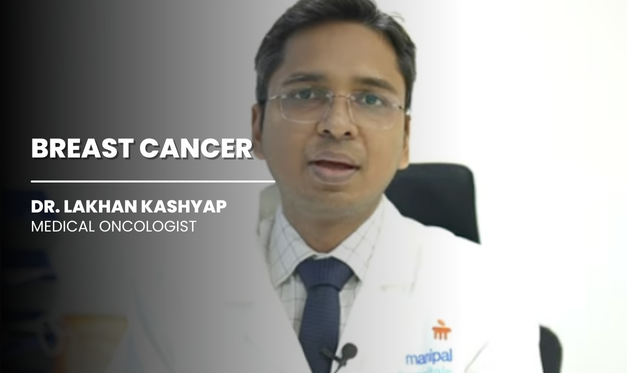
Our Latest Videos

Media Pictures


Frequently Asked Questions
Need Answers? Find them here...
How does a medical oncology team approach palliative care differently than hospice care?
A medical oncology team approaches palliative care as an integral part of comprehensive cancer treatment, applicable at any stage of the disease to alleviate symptoms and improve quality of life. In contrast, hospice care is typically reserved for the final stages of terminal illness, focusing solely on comfort. Palliative care in oncology includes managing side effects alongside curative or life-prolonging treatments, addressing both physical and emotional needs of patients and families.
How can targeted therapy inform personalized cancer treatments?
Targeted therapy enables personalized cancer treatments through genetic testing and molecular profiling, identifying specific mutations or proteins driving an individual’s cancer. By targeting these specific characteristics, oncologists can develop tailored treatment plans that maximize effectiveness while minimizing side effects. This precision medicine approach improves outcomes by focusing on therapies that are most likely to work for a particular patient based on their cancer’s unique genetic makeup.
What advancements in immunotherapy offer promising results for cancer patients?
Recent advancements in immunotherapy, such as immune checkpoint inhibitors and personalized cancer vaccines, show promising results in treating various cancers. These therapies enhance the immune system's ability to recognize and attack cancer cells. CAR T-cell therapy, where a patient's T-cells are engineered to target cancer, has shown success in blood cancers. Ongoing research is expanding the use of immunotherapy, offering new options and hope for patients with difficult-to-treat cancers.
Are there lifestyle changes recommended during cancer treatment?
Yes, adopting healthy lifestyle changes during cancer treatment can support recovery and improve well-being. Recommendations often include eating a balanced diet, staying hydrated, engaging in light to moderate physical activity, and getting adequate rest. Avoiding tobacco and limiting alcohol intake are also advised. These changes help reduce treatment side effects and strengthen the body’s natural defenses. Always consult with your medical team for personalized lifestyle advice tailored to your condition.
How is progress monitored during cancer treatment?
Progress during cancer treatment is monitored through regular medical assessments, including physical exams, blood tests, and imaging studies like CT or MRI scans. These tests help evaluate the effectiveness of treatment and detect any changes in the cancer's status. Oncologists will adjust treatment plans based on findings from these assessments, ensuring a personalized approach. Open communication about symptoms and side effects is essential for optimal management and monitoring.
What should I expect during chemotherapy treatment sessions?
During chemotherapy sessions, expect to spend several hours in a comfortable setting while receiving medication through an IV or orally. Medical staff will monitor your vital signs and manage potential side effects like nausea and fatigue. It's helpful to bring items like headphones or a book for entertainment and emotional support. Your oncologist will discuss the treatment plan, expected outcomes, and strategies to manage side effects effectively.
How do I prepare for my first visit to a medical oncologist?
Preparing for your first visit to a medical oncologist involves gathering your medical records, including past scans, pathology reports, and a list of previous treatments. Be ready to discuss your medical history, medications, allergies, and any symptoms you're experiencing. Preparing a list of questions and bringing a friend or family member for support can also be helpful. This ensures a thorough assessment and effective communication with your oncologist.
Why is cancer screening important and who should get screened?
Cancer screening is crucial for early detection of cancer, often before symptoms appear, increasing the chances of successful treatment. Regular screenings can detect common cancers such as breast, cervical, and colorectal cancers early on. Health guidelines recommend screenings for individuals based on age, gender, family history, and risk factors. Discussing with a medical oncologist can help determine the appropriate screening schedule tailored to personal health needs.
What role does preventive oncology play in cancer management?
Preventive oncology is the field dedicated to reducing cancer risk through measures such as lifestyle changes, vaccinations, and cancer screening programs. It focuses on identifying individuals at high risk and implementing strategies to prevent the development of cancer. This can include promoting healthy behaviors, like a balanced diet and regular exercise, as well as advocating for early vaccination against cancer-causing viruses like HPV and hepatitis B.
What is palliative care in the context of cancer treatment?
Palliative care in cancer treatment is focused on relieving symptoms and improving quality of life for patients and their families, regardless of the stage of the cancer. It can be provided alongside curative treatments to manage pain, fatigue, nausea, and other physical or emotional symptoms. Palliative care involves a multidisciplinary team approach to support patients' physical, psychological, and spiritual needs, enhancing overall well-being during cancer treatment.
Can you explain targeted therapy and its role in cancer treatment?
Targeted therapy uses drugs or other substances to precisely identify and attack cancer cells, usually by focusing on specific proteins or genes that contribute to cancer growth and survival. This approach limits damage to normal cells, potentially reducing side effects compared to traditional treatments. Targeted therapy is often personalized, based on the genetic profile of a patient’s cancer, allowing for a more tailored and effective treatment plan.
What is immunotherapy and how does it help in cancer treatment?
Immunotherapy is a type of cancer treatment designed to enhance the body’s immune system to better detect and destroy cancer cells. Unlike chemotherapy, which directly targets cancer cells, immunotherapy empowers the immune system to recognize and attack cancer cells as foreign invaders. This approach can be used for various cancers and includes treatments like immune checkpoint inhibitors and CAR T-cell therapy, offering hope for improved outcomes.
How does chemotherapy work in treating cancer?
Chemotherapy involves the use of powerful drugs that target and destroy rapidly dividing cancer cells. It can be administered orally, intravenously, or through injections, and its aim is to shrink tumors, slow cancer progression, and eliminate cancer cells that may have spread to other parts of the body. While effective, chemotherapy can also affect healthy cells, leading to side effects like nausea and fatigue, which are managed with supportive care.
What is medical oncology and how does it differ from other oncology fields?
Medical oncology is a branch of cancer treatment that focuses on the use of chemotherapy, immunotherapy, and targeted therapy to manage cancer. Unlike surgical oncology, which involves the removal of tumors, or radiation oncology, which uses radiation, medical oncology uses medications and drugs to target cancer cells throughout the body. It often involves ongoing treatment and follow-up care to manage the disease effectively.
How does Dr. Lakhan Kashyap ensure continuous advancements in cancer treatments?
Dr. Lakhan Kashyap stays at the forefront of medical oncology through active involvement in global oncology societies such as ASCO and ESMO. His engagement with these platforms allows him to incorporate the latest international advances into his treatment strategies. With an impressive academic background, including a President NBEMS Gold Medal and numerous scientific publications, Dr. Kashyap enriches his practice with cutting-edge research and multidisciplinary insights, ensuring his patients receive the best possible care.
What are Dr. Lakhan Kashyap's core areas of expertise in cancer treatment?
Dr. Lakhan Kashyap is a distinguished DM Medical Oncologist based in Baner, Pune, specializing in treating a variety of solid organ cancers. His core expertise lies in employing chemotherapy, immunotherapy, and targeted therapy to manage conditions such as breast, ovarian, gastrointestinal, lung, testicular, sarcoma, and genitourinary cancers. Renowned for his evidence-based approach, Dr. Kashyap combines academic prowess with compassionate care to tailor treatment plans to individual patient needs.
Location & Location Map
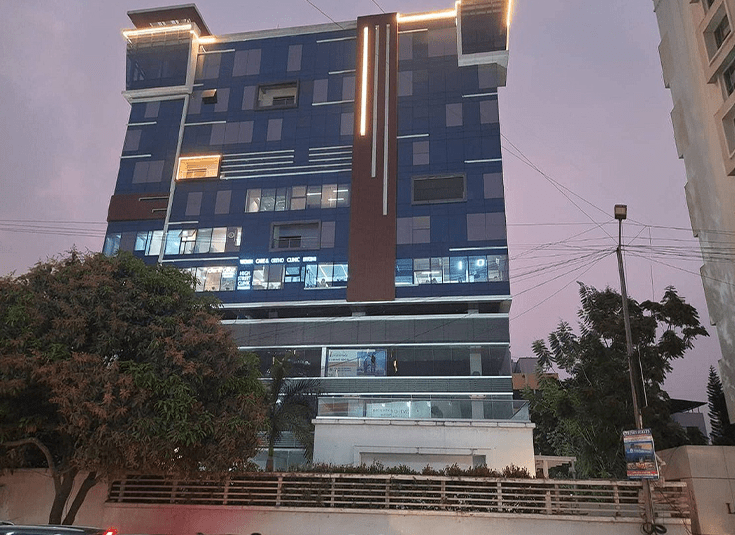
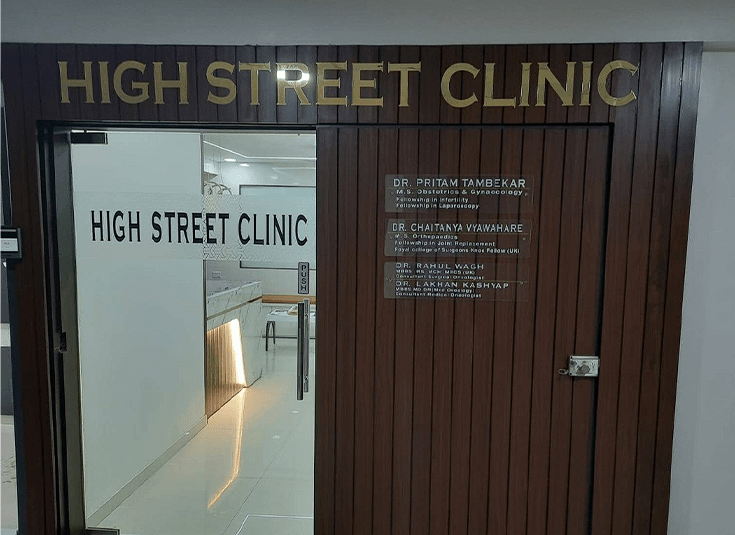
 Address :4th Floor 66, High Street Square, Dr Kashyap Oncology Clinic, 405, Pan Card Club Rd, inside High Street Clinic, Baner Gaon, Pune 411045, Maharashtra
Working Hours
MONDAYClosed
TUESDAYClosed
WEDNESDAYClosed
THURSDAYClosed
FRIDAYClosed
SATURDAYClosed
SUNDAYClosed